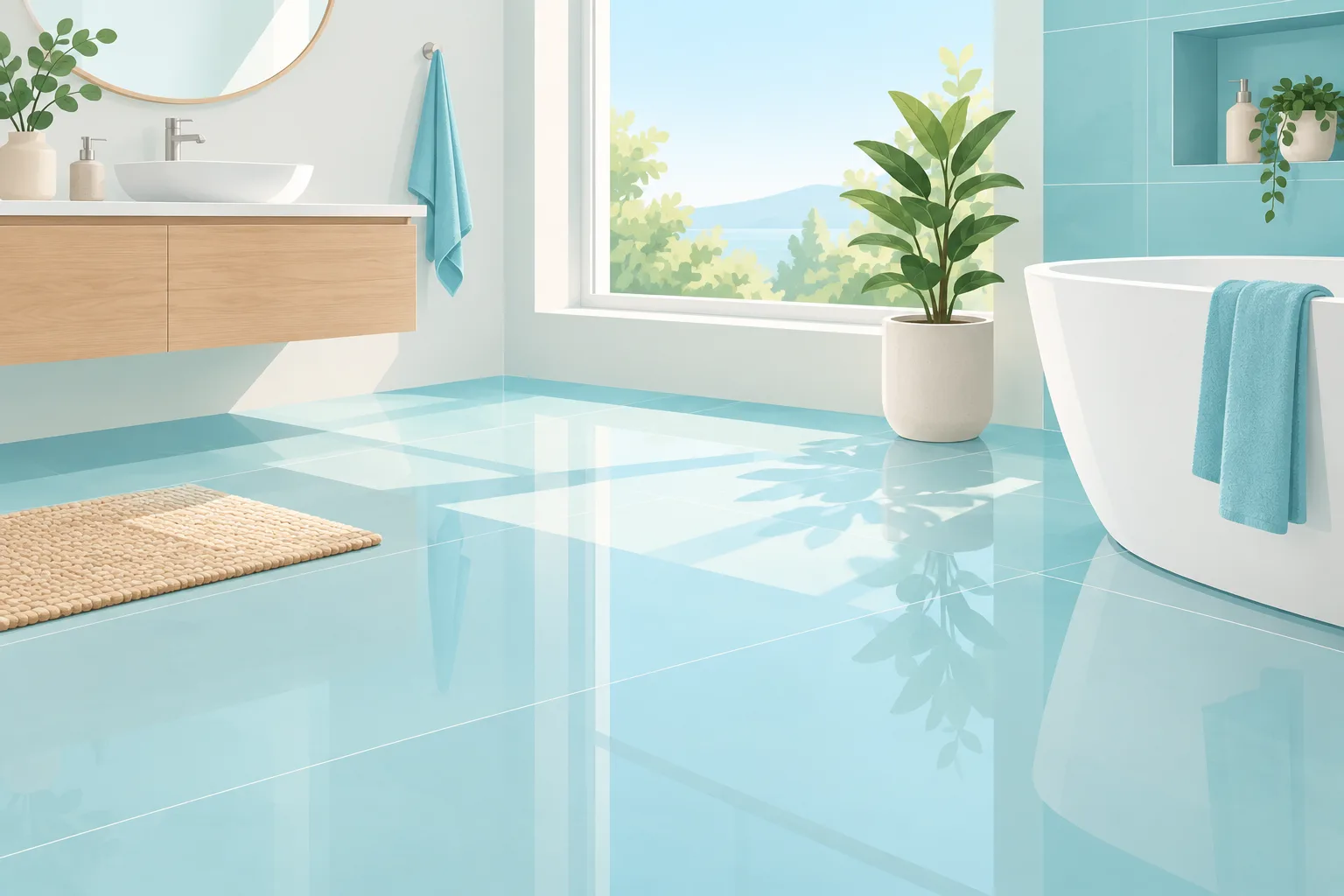
If you own a home in Sunland or anywhere in the foothill neighborhoods stretching from Tujunga to La Crescenta-Montrose, you already know that local bathrooms take a beating. Hard water from the municipal supply leaves mineral deposits on grout, warm dry summers bake older caulk lines into cracks, and many homes in this corridor were built decades ago with bathroom floors that are well past their prime. Replacing or upgrading your bathroom tile flooring is one of the highest-return projects you can tackle, and getting the details right from the start saves you from costly repairs down the road.
Choosing the Right Tile for a Foothill-Area Bathroom
Not every tile performs equally in our local climate. The San Gabriel foothills experience dramatic temperature swings between seasons, and even day-to-night swings in communities like Shadow Hills and Altadena can stress materials that were not designed for it. Here is what to keep in mind when selecting bathroom floor tile:
- Porcelain tile is the top recommendation for most Sunland-area bathrooms. It is dense, absorbs almost no water, and handles temperature variation well. A frost-rated porcelain is particularly smart if your bathroom has an exterior wall.
- Ceramic tile works well in interior bathrooms on a tight budget, but its higher absorption rate means grout sealing is non-negotiable in our hard-water environment.
- Natural stone, travertine, slate, and marble, fits beautifully in the craftsman bungalows and ranch-style homes common in Pasadena and South Pasadena, but requires sealing every one to two years and a skilled installer who understands how to manage its variation in thickness.
- Slip resistance matters. Look for a COF (coefficient of friction) rating of 0.60 or higher for wet bathroom floors. This is a safety baseline, not a style preference.
- Tile size affects perception. Larger-format tiles (12×24 or bigger) make a small bathroom feel more open and have fewer grout lines to clean, a practical win in hard-water areas throughout Glendale and Burbank.
Subfloor Preparation: The Step Most Homeowners Underestimate
In older homes throughout Sunland, Tujunga, and North Hollywood, the single biggest cause of tile failure is a subfloor that was never properly prepared. Tile is rigid; subfloors flex. When the two fight each other, grout cracks first, then tiles loosen or chip. Before any tile goes down, a qualified installer should assess whether your subfloor is thick enough (typically a minimum of 1-1/8 inches of combined subfloor material), whether it deflects under load, and whether a cement backer board or uncoupling membrane is needed. In bathrooms where moisture has already done damage, common in homes that have gone years between remodels, rotted subfloor sections must be cut out and replaced entirely. Skipping this step to save money is the most expensive shortcut a homeowner can take.
Grout Selection and Hard-Water Reality
The water supply throughout the Sunland-to-Pasadena corridor is notoriously hard, and grout lines are where that shows up first. Standard sanded grout in a light color will mottle and stain within a year if it is not sealed properly and maintained. Consider these practical choices:
- Epoxy grout is nearly impervious to staining and does not require sealing. It costs more and is harder to install, but for a bathroom floor it pays for itself in maintenance savings.
- Urethane grout is a middle-ground option, easier to work with than epoxy, more stain-resistant than cement grout, and pre-colored so it does not need sealing.
- If you choose traditional cement-based grout, seal it before the bathroom is used, then reseal annually. Use a penetrating silicone sealer rather than a surface coating.
- Keep grout joints at 1/16 to 1/8 inch for rectified porcelain tiles to minimize the surface area that collects mineral buildup.
Layout Planning and Design Considerations
Before a single tile is set, the layout should be dry-fit and centered. A professional doing flooring and tile work will find the visual center of the room, account for doorways and fixtures, and plan cuts so you never end up with a sliver of tile visible at the threshold. Diagonal layouts add visual interest to smaller bathrooms but increase material waste by roughly 10-15 percent, factor that into your budget. In historic homes in La Cañada Flintridge and San Fernando, a classic subway or hex-mosaic pattern on the floor can complement original architectural details while still using modern, durable materials. If your bathroom remodel is part of a larger project, our bathroom remodeling service integrates tile work with fixture selection, layout changes, and waterproofing into a single coordinated scope.
What a Professional Installation Includes
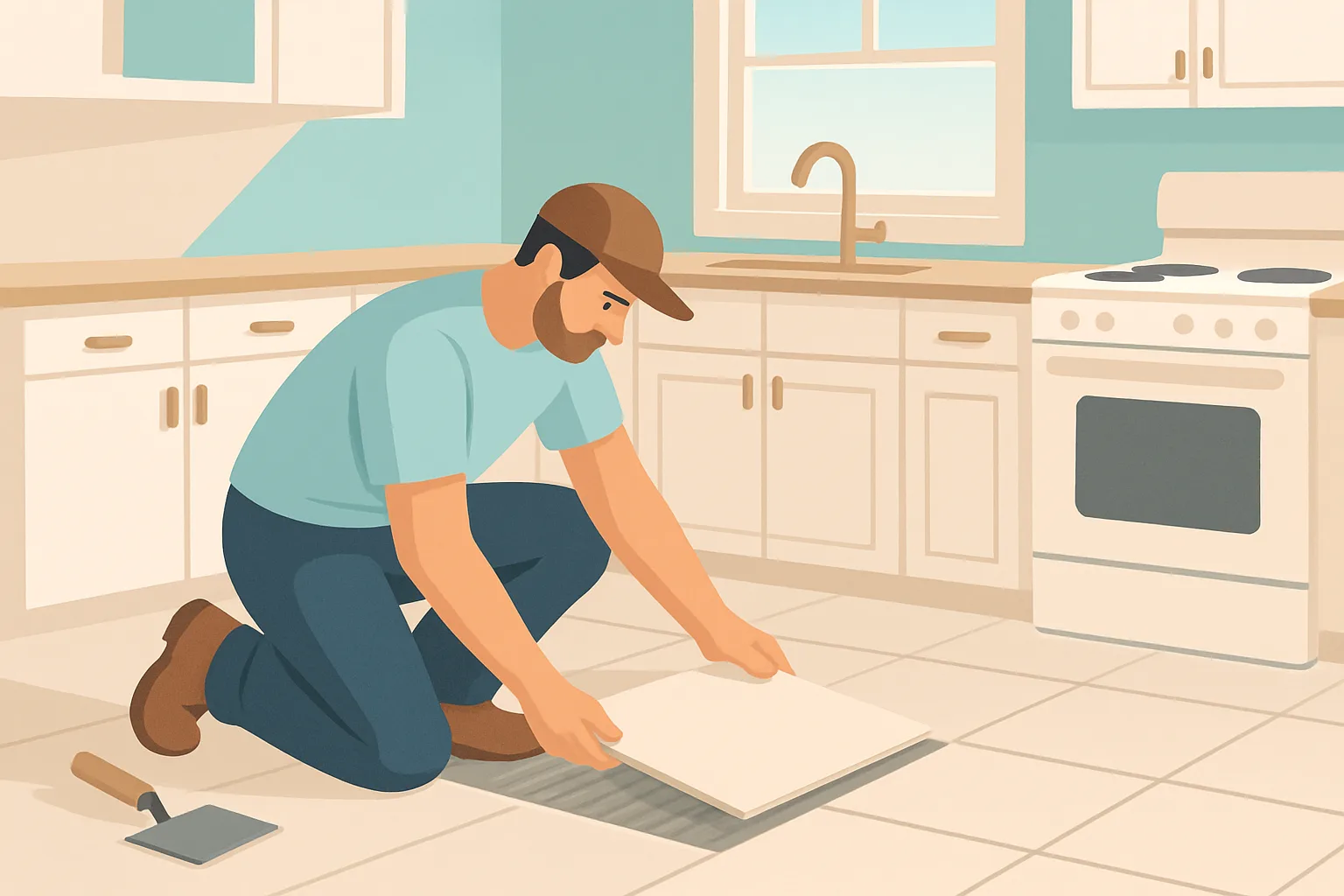
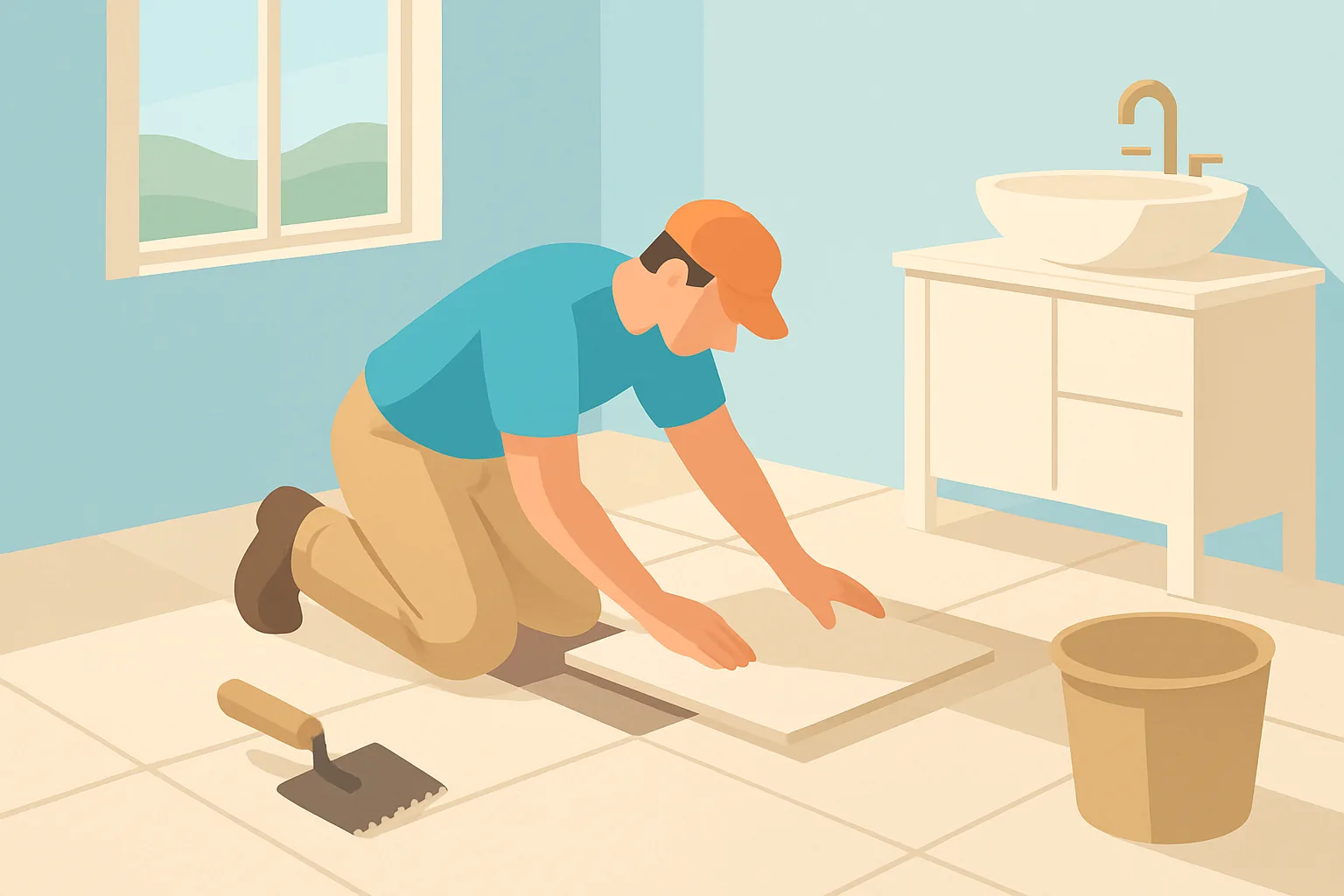
A thorough tile installation is more than pressing tile into thinset. When Simonet Project Management handles bathroom tile flooring for homeowners across the foothill communities, the process includes subfloor inspection and repair, moisture barrier installation in wet zones, thinset selection matched to the tile type, proper back-buttering for large-format tiles, leveling system use to keep tiles flat across the field, grout application, and sealing. Every one of these steps directly affects how long your floor lasts and how good it looks five years from now.
Whether you are in Sunland, Burbank, Pasadena, or anywhere else in our service area, Simonet Project Management is ready to give your bathroom floor the upgrade it deserves. Request your free, no-obligation quote today and let us walk you through tile options, layout plans, and a realistic timeline, right from the start. Get your free quote here, or learn more about our full flooring and tile services.