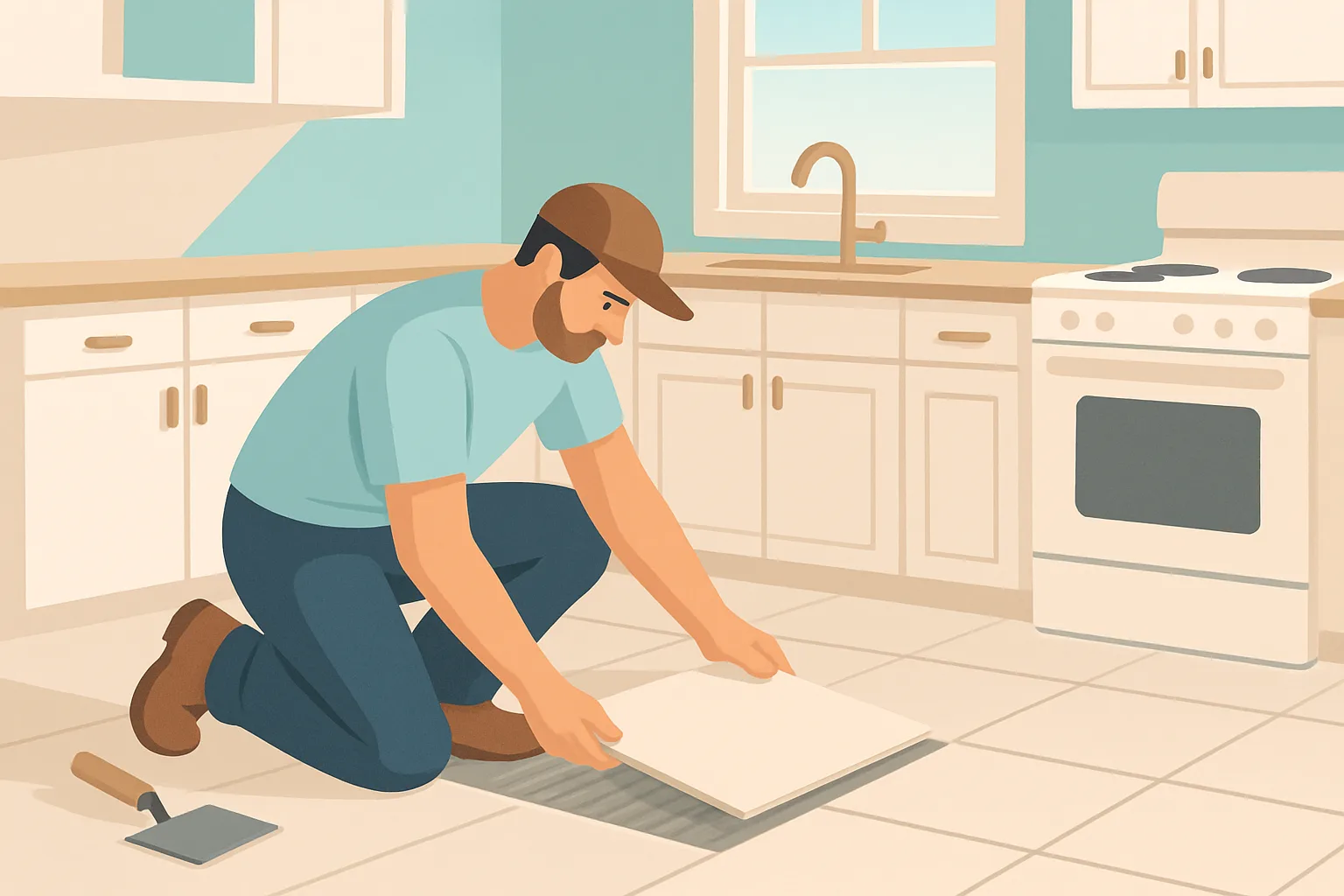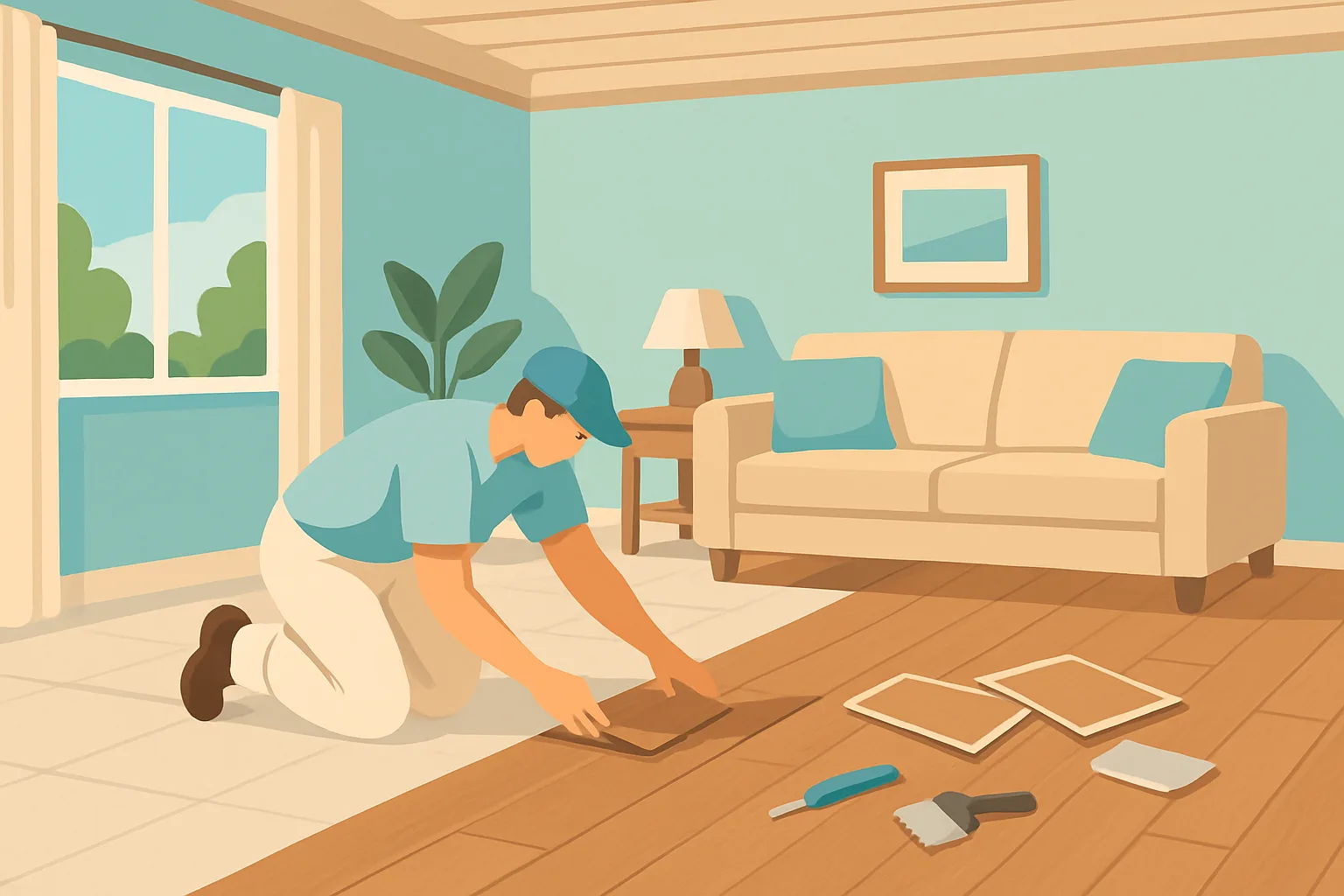
Pasadena homes have character, from the craftsman bungalows lining the streets near the Arroyo Seco to the mid-century ranches tucked into quieter pockets closer to Altadena and South Pasadena. When it comes to upgrading your floors, tile is one of the most durable, beautiful, and practical choices you can make. But not all tile projects are created equal, and a few smart decisions upfront can mean the difference between a floor you love for decades and one that causes headaches within a couple of years. Here's what Pasadena homeowners should know before starting a tile flooring project.
Choosing the Right Tile for Pasadena's Climate and Lifestyle
Pasadena's warm, dry summers and mild winters are generally friendly to tile, but Southern California living comes with its own demands. Households with kids, dogs, or frequent outdoor entertaining need tile that holds up to dirt tracked in from patios and yards. Here's what to consider:
- Porcelain tile is dense, low-maintenance, and highly resistant to moisture and scratches, an excellent all-around choice for kitchens, bathrooms, entryways, and laundry rooms.
- Natural stone (travertine, slate, limestone) complements the Mediterranean and Spanish Revival architecture common in Pasadena and nearby La Cañada Flintridge, but it requires sealing and more careful upkeep.
- Ceramic tile works well in lower-traffic areas and is budget-friendly, though it's less dense than porcelain and more prone to chipping in busy spaces.
- Large-format tile (24x24 or bigger) creates a seamless, modern look that's popular in open-plan homes but requires a very flat, properly prepared subfloor, something an experienced installer will assess carefully.
Think about how each room is actually used day-to-day. A tile that looks stunning in a showroom needs to perform in your real life, not just on a mood board.
Subfloor Preparation: The Step That Makes or Breaks Your Project
One of the most common causes of tile failures, cracked grout, loose tiles, uneven surfaces, is a poorly prepared subfloor. Older Pasadena homes, particularly those built before 1970, may have wood subfloors that flex slightly underfoot. Tile is rigid, and any movement underneath it will eventually cause cracking. Before a single tile goes down, a professional installer should:
- Inspect and repair any soft spots, rot, or uneven areas in the subfloor.
- Install a cement backer board or use an uncoupling membrane (like Schluter DITRA) to provide a stable, moisture-resistant base.
- Ensure the floor is level within industry standards, typically no more than 3/16 inch variation over 10 feet.
Skipping or rushing this stage is where DIY projects and discount installers often cut corners. It's not visible once the job is done, but it determines how long your floor lasts.
Grout and Layout: Details That Define the Finished Look
The tile itself is only part of the equation. Grout color and joint width dramatically affect the final appearance. Wider grout joints (3/8 inch or more) suit rustic or handmade-look tiles, while a rectified porcelain tile with tight joints (1/16 inch) creates a sleek, contemporary feel. A few practical tips:
- Choose epoxy grout in kitchens and bathrooms, it resists staining far better than traditional sanded or unsanded grout.
- Lighter grout shows dirt more easily in high-traffic areas; medium tones tend to age more gracefully.
- Tile layout, straight, diagonal, herringbone, or offset, should be planned from the center of the room outward to avoid awkward narrow cuts at the edges near doorways or cabinets.
A thoughtful layout plan is especially important in open-concept spaces, where tile may run continuously from a kitchen into a dining or living area. Our team handles these details as part of every flooring and tile project.
Pairing Tile Floors with a Larger Remodel
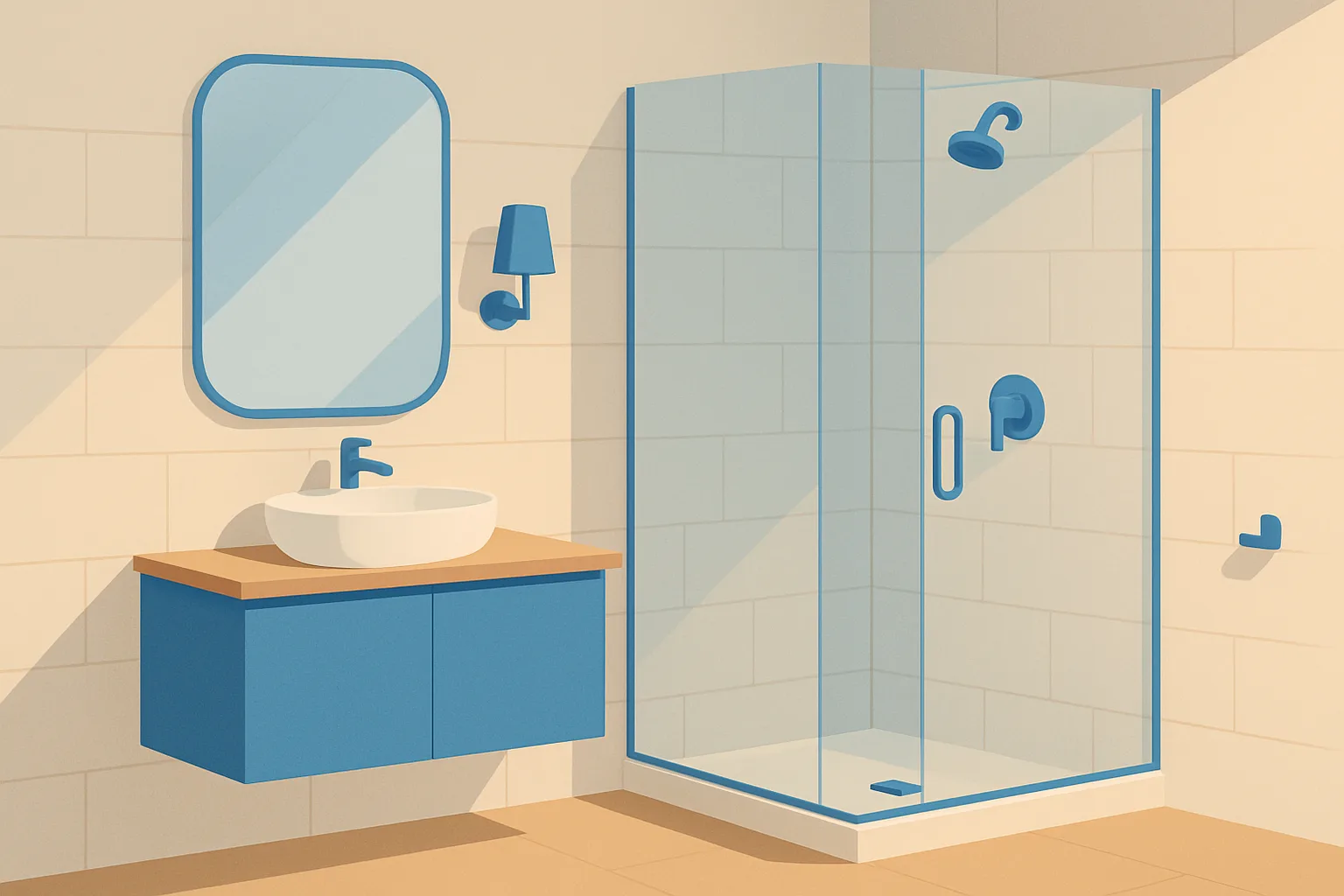
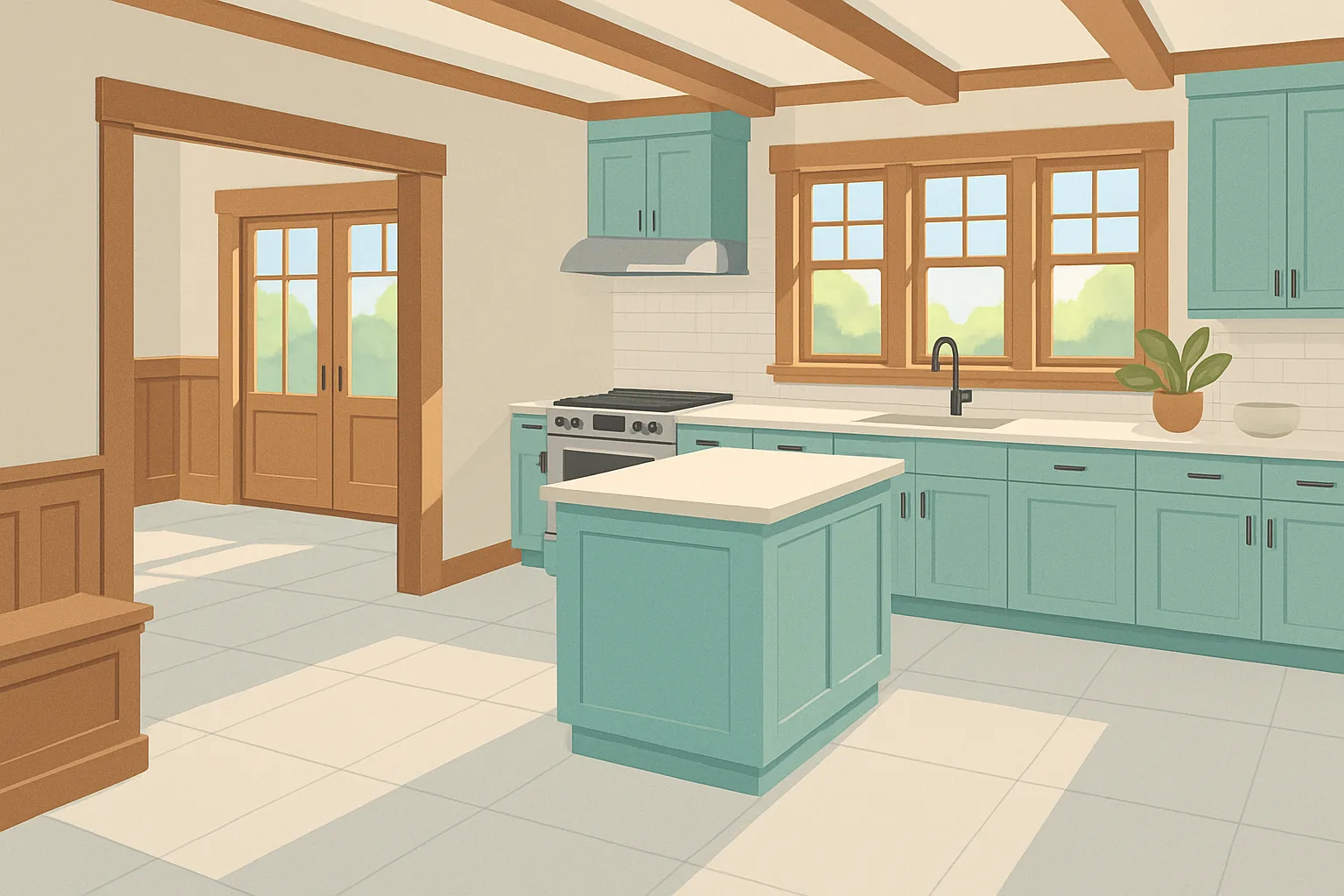
Many Pasadena homeowners find that new tile flooring is the starting point, or the finishing touch, of a broader update. New floors in a kitchen naturally draw attention to dated cabinets or countertops, and a fresh bathroom floor often inspires a full refresh. If you're already thinking bigger, bundling your flooring project with a kitchen remodeling or bathroom remodeling project can save time, reduce disruption, and give you a cohesive result. We work with homeowners across Pasadena, Glendale, Burbank, and throughout the San Gabriel foothills to plan remodels that make sense as a whole, not just room by room.
What to Ask Before Hiring a Tile Installer
Before committing to any contractor, ask these questions:
- Do you carry general liability insurance and workers' compensation? (Always verify, don't just take their word for it.)
- Who is actually doing the installation, your crew or a subcontractor?
- How do you handle subfloor issues discovered mid-project?
- Can you provide references from similar tile projects in Pasadena or nearby communities?
- What is your warranty on labor?
A reputable remodeling company will answer these questions clearly and confidently. Vague answers or pressure to sign quickly are warning signs worth heeding.
Ready to upgrade your floors? Simonet Project Management serves Pasadena and the surrounding communities with honest, high-quality tile and flooring installation. Whether you're updating a single bathroom or planning a whole-home refresh, we're here to help, contact us today for a free quote and let's talk about your project.