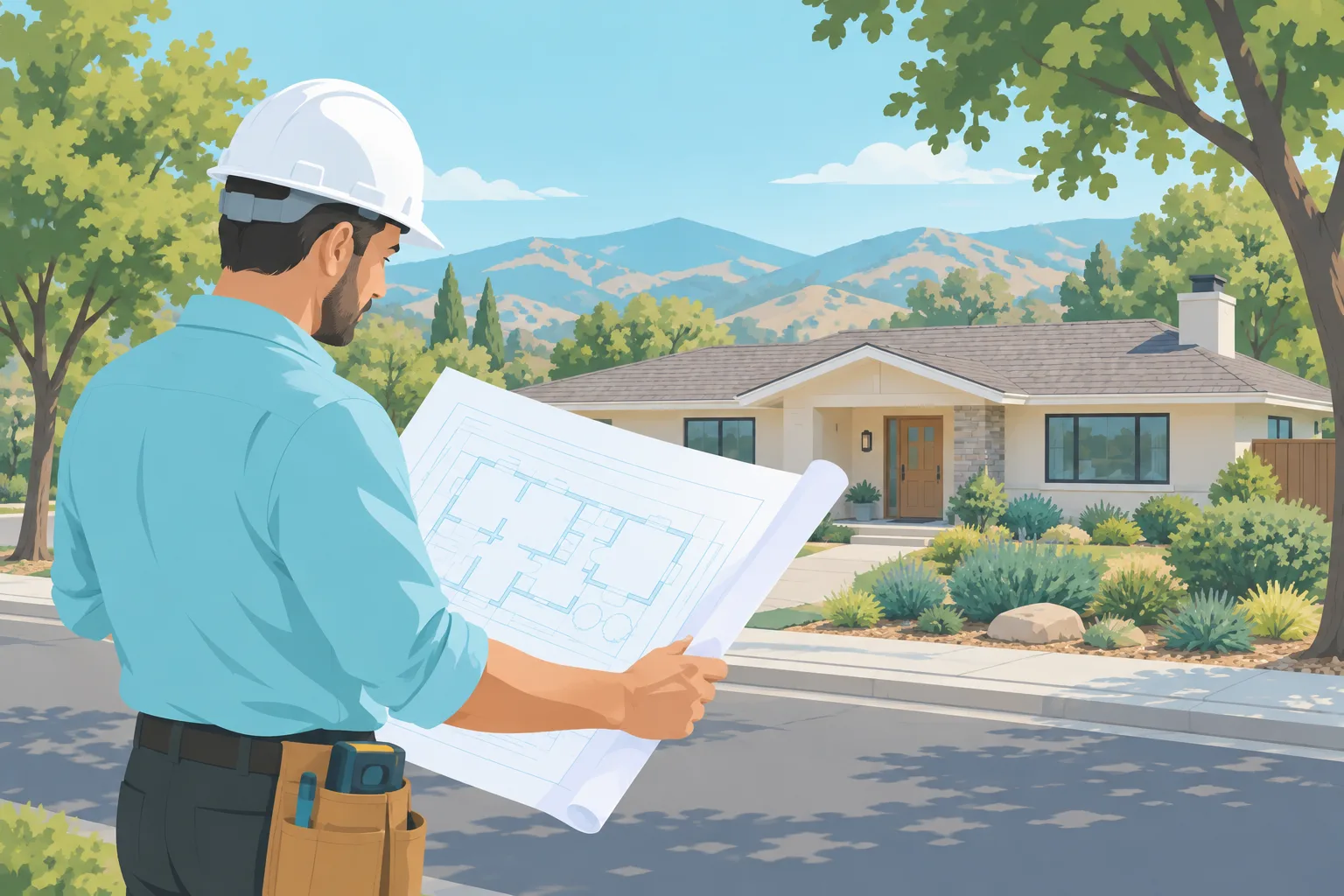

Glendale homeowners are in a unique position right now. With housing inventory tight across the Foothills corridor, from La Cañada Flintridge to Pasadena, many families are choosing to expand their existing homes rather than move. Whether you're sitting on a classic 1950s ranch in the Verdugo Woodlands, a craftsman bungalow near Adams Hill, or a mid-century home closer to the Montrose border, a well-planned home addition can dramatically increase your living space and your property value. But hiring the right contractor makes all the difference. This guide walks you through exactly what to look for, what to expect, and how to avoid the most common mistakes local homeowners make.
Understand What Type of Addition You Actually Need
Not all home additions are the same, and Glendale's mix of lot sizes and zoning rules means your options may be different from your neighbor's. Before calling a single contractor, get clear on which category your project falls into:
- Room additions: Adding a bedroom, home office, or sunroom attached to the existing structure, very common in the older ranch-style neighborhoods near Glenoaks Boulevard.
- Second-story additions: Popular in areas with smaller lots where building out isn't possible. These require careful structural assessment of your existing foundation.
- ADU or garage conversions: Accessory Dwelling Units are highly regulated in Glendale but can add significant value, especially for multigenerational households.
- Bump-outs: Smaller extensions, typically under 200 square feet, that expand a kitchen, bathroom, or living room without a full addition footprint.
A qualified contractor will review your property's setbacks, easements, and Glendale Building and Safety requirements before any design work begins. If you want design and construction handled under one roof, explore a Design-Build approach, which streamlines permitting and keeps your project on a single timeline.
What to Look for When Hiring a Home Addition Contractor in Glendale
The San Fernando Valley and Foothills region has no shortage of remodeling contractors, but quality varies enormously. Here's what genuinely separates a reliable contractor from one who will cost you time and money:
- Local permit experience: Glendale has its own building department processes. Contractors who regularly work in Glendale, and in neighboring communities like Burbank, La Crescenta-Montrose, and Altadena, already know how to navigate plan check, inspections, and local code requirements efficiently.
- A documented project process: Ask for a written scope of work, a realistic timeline with milestones, and a clear payment schedule. Avoid any contractor who asks for more than 10% upfront before work begins.
- References from similar projects: A contractor who has built room additions in Glendale or the surrounding Foothills area will understand soil conditions, older construction techniques, and the architectural styles that are common here.
- Proper licensing and insurance: Verify their California Contractors State License Board (CSLB) license and confirm they carry general liability and workers' compensation insurance, non-negotiable in a region where subcontractors are frequently used.
How Home Additions Connect to the Rest of Your Home
One thing homeowners often underestimate is how an addition affects the spaces it connects to. If you're adding a master suite, your existing hallway, bathroom plumbing runs, and HVAC zoning all need to be reassessed. If you're expanding a kitchen into an addition, finishes like flooring, cabinetry, and tile need to carry through consistently. A great contractor will flag these integration points early. For example, if your addition opens into your existing kitchen, you may want to revisit the layout as part of a broader kitchen remodeling scope so everything reads as one cohesive space. Similarly, if the project includes a new bathroom, coordinating it alongside the addition, rather than treating it as a separate project, saves money and avoids redundant work. Explore options for bathroom remodeling that can be built into your addition budget from the start.
Realistic Timelines and Budgeting for Glendale Additions
In the greater Glendale area, a straightforward room addition typically takes four to seven months from signed contract to final inspection, longer if plans require multiple plan check corrections or if supply chain delays hit specialty materials. Budget-wise, additions in this part of Los Angeles County generally run higher per square foot than national averages because of local labor rates, permit fees, and the cost of integrating new construction into older existing structures. Get at least two to three detailed bids, and make sure each one is based on the same scope so you're comparing apples to apples. A bid that comes in dramatically lower than the others almost always reflects something missing from the scope, not a contractor who works more efficiently.
Why Working with a Local Contractor Matters Here
Contractors who are embedded in communities like Glendale, Shadow Hills, North Hollywood, and San Fernando have a real stake in their reputation. They're not driving in from three counties away, they know the local inspectors, they know the neighborhood character, and they understand the housing stock. At Simonet Project Management, our team works across the Foothills and Valley communities every day, and we bring that local knowledge to every home addition project we take on.
Ready to add space and value to your Glendale home? Contact Simonet Project Management today for a free, no-obligation quote. Whether you're in Glendale, La Crescenta-Montrose, Burbank, or anywhere in our service area, we'll walk you through your options and give you a straight answer on what your project will actually take. Request your free quote here and let's start planning your addition the right way.